


Recommended Turtle Care
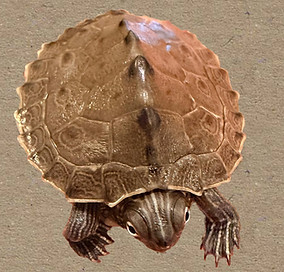
Welcome to our Turtle Care Guide
I always emphasise that turtles are long-lived, interactive pets requiring commitment. Common species like Red-Eared Sliders, Painted Turtles, and Mud/Musk Turtles can live 20–50+ years with proper care. This guide focuses on aquatic/semi-aquatic turtles suitable for home setups.

a) Setting up the Tank
Turtles need both water for swimming and a dry basking area. They are messy and produce significant waste, so bigger is better for water quality.
Use a strong filter, add beneficial bacteria supplements if needed, and dechlorinate all water changes. Many keepers add Indian almond leaves or almond leaf extract for natural tannins and mild antibacterial properties.
Tank Size
Aquatic Turtles
150 - 340 litres (33-75 gallons)
Minimum
450 litres (100 gallons)
Better
45-90 Litres (10–20 gallons) per additional Turtle
Tank Type
-
Use aquarium tanks, stock tanks, or turtle tubs with secure lids (turtles are excellent climbers/escape artists).
-
Water depth: At least 2–3 times the shell length so they can swim and turn comfortably.
Tank Cycling
Prepare and fully cycle your tank before arrival (see our Tank Cycling Guide for the cycling process).
Stability is everything.
Environment
-
Basking area: Stable platform (rock, dock, or ramp) under a UVB/heat lamp. Dry area should be easy to climb onto and large enough for the turtle to fully bask.
-
Substrate: Bare bottom or large river rocks (avoid fine gravel/sand that can be ingested). Add live or artificial plants for cover.
Lighting and Heating
-
UVB lighting (10.0 bulb) for 10–12 hours daily (essential for shell health and Vitamin D3).
-
Basking spot temperature: 29–32°C (85–90°F).
-
Water temperature: 22–26°C (72–78°F) for most species.
Filtration
Powerful canister filters or sump systems (rated 2–4x tank volume per hour). Add a sponge pre-filter to protect small turtles. Perform 25–50% water changes weekly.

b) Water Quality
Excellent water quality prevents shell rot, respiratory infections, and other common issues.
Monitor with test kits:


6.5-8.0
0


22-26
o
C
<20
29-32
C
o
Ammonia & Nitrite
Water
72-78
F
o
Basking
85-90
o
F
Nitrate

Feeding
Turtles are omnivores with species-specific preferences. Feed a varied diet for balanced nutrition.
Foodstuffs
-
Commercial foods: High-quality turtle pellets (e.g., sinking formulas with calcium).
-
Protein: Earthworms, bloodworms, shrimp, fish, or commercial insects (2–3 times per week for adults).
-
Vegetables/Greens: Dark leafy greens (romaine, dandelion, collards), aquatic plants, occasional fruits (sparingly).
-
Supplements: Calcium powder (with D3) dusted on food several times weekly; multivitamins occasionally.
Feeding Schedule (adjust for age/size):
-
Juveniles: Daily small meals.
-
Adults: Every other day or 3–4 times per week. Remove uneaten food after 15–20 minutes.

Decorations, Enritchment and Handling
Provide enrichment: varied swimming space, different basking levels, live plants, and safe toys (floating items). Turtles are curious and benefit from environmental variety.
Handling
-
Minimise handling to reduce stress.
-
Always support the shell fully and wash hands before/after (turtles can carry Salmonella).
-
Children should be supervised.
Tank Mates
-
Turtles are often best kept alone or in species/groups of similar size. They may nip at fish fins or eat small inverts. Compatible with some large, fast fish in very large setups, but monitor closely.

Health Monitoring
Observe daily for normal behaviour:
Active swimming, good appetite, clear eyes, smooth shell without soft spots or discoloration.
Common Preventable Problems:
-
Shell rot or pyramiding (poor water quality, lack of UVB/calcium).
-
Respiratory infections (cold water or poor basking).
-
Vitamin deficiencies or metabolic bone disease (inadequate UVB/diet).
-
Obesity from overfeeding.
Top Tips:
Quarantine new turtles, maintain pristine conditions, and consult an exotic vet experienced with reptiles for any concerns.
Regular water testing and UVB bulb replacement (every 6–12 months) are key to prevention.