


Broadheath Bettas
Recommended Cold Water FishCare
A step by step guide

Welcome!
Cold-water species like Goldfish, White Cloud Mountain Minnows, and certain danios offer a peaceful, hardy alternative to tropical setups. They thrive in cooler temperatures and can make excellent companions for Axolotls or certain inverts when parameters align. With proper care, many live 10–20+ years.
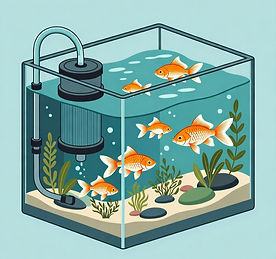
a) Setting up your tank
Cold-water fish are often more active and produce more waste than many tropical species, so prioritise space and filtration. Fully cycle the tank before adding fish. (Refer to our tank cycling advice)
Tank Size
19 litres (20-40 gallons)
Minimum
38 litres (10 gallons)
or larger is strongly recommended.
20–40 gallons for a small group of fancy goldfish (single tail varieties need more space than commons). Add 10+ gallons per additional fish. Long, low tanks are ideal.
Plants and Enritchment
Live plants (java fern, anubias, hornwort) for cover and water quality. Add smooth rocks and hiding spots. No sharp edges.
Temperature
Cold-water fish prefer cooler conditions and are sensitive to heat spikes.
-
Ideal range: 18–22°C (64–72°F) for most goldfish and white clouds.
-
Acceptable: 15–24°C (59–75°F) with good oxygenation. Avoid prolonged temperatures above 24°C.
-
No heater needed in most UK homes — use a chiller or fans if summer temperatures rise. Monitor with a reliable thermometer.
Stable temperature prevents stress and disease.
Filtration
Strong but gentle flow — canister or large sponge filters. Aim for 4–6x tank volume turnover per hour. Goldfish are messy; oversized filtration helps.
Substrate and Decor
Fine sand or smooth gravel (avoid small particles that can be swallowed).
Lighting
Moderate with an 8–12 hour day/night cycle. Low-tech plants do well.

b) Water Quality
Goldfish and other cold-water species are sensitive to poor water quality despite their hardiness.
Test regularly
High oxygenation is important — add air stones if needed.
Perform 25–50% water changes weekly (more in smaller tanks). Use dechlorinator and temperature-matched water. Many keepers add beneficial bacteria boosters for goldfish systems.

High Oxygen

7.0-8.0
0
Ammonia & Nitrite

<20-40
18 -22
o
C
Temperature
Nitrate
Weekly partial water changes

Feeding
Goldfish are omnivores, feeding largely on crustaceans, insects and plant matter in the wild.
They are naturally bottom feeders and may gulp air when feeding at the surface, causing them to lose equilibrium and float upside down.
-
Feed high-quality, easily digestible foods to avoid swim bladder equilibrium issues.
-
Staple: Sinking goldfish pellets or flakes (high in vegetable matter for fancies).
-
Supplements: Blanched vegetables (peas, spinach, zucchini — great for digestion), brine shrimp, bloodworms, or gel foods.
-
Schedule: Small amounts 1–2 times daily. Only what they eat in 2–3 minutes. Adult goldfish do well on every-other-day feeding to prevent obesity.
-
Remove uneaten food promptly.

Tank Mates
Provide open swimming space plus hides and plants. Goldfish enjoy exploring and benefit from varied environments.
Best with other cold-water fish of similar size and activity level (e.g., White Cloud Mountain Minnows, Rosy Barbs, Ricefish, Rubbernose Pleco or certain danios).
Avoid with tropical fish or very small inverts.
Goldfish may nip long fins or eat tiny shrimp.
Axolotls and larger peaceful inverts can sometimes coexist in large, cool setups.

Regular Health Checks & Common Issues
Observe
-
Watch for active swimming, clear eyes, good appetite, and normal buoyancy.
-
Maintain excellent water quality, avoid overcrowding, and feed a varied diet. Many issues are prevented by oversized filtration and regular maintenance.
Common Issues
-
Swim bladder problems (often from overfeeding or poor diet — fast with peas).
-
Fin rot or ich (improve water quality and temperature stability).
-
Parasites or bacterial infections (quarantine new fish).
Cold-water fish setups pair beautifully with Axolotls or hardy inverts in shared cool parameters. They reward keepers with activity and personality when given space and stability.